|
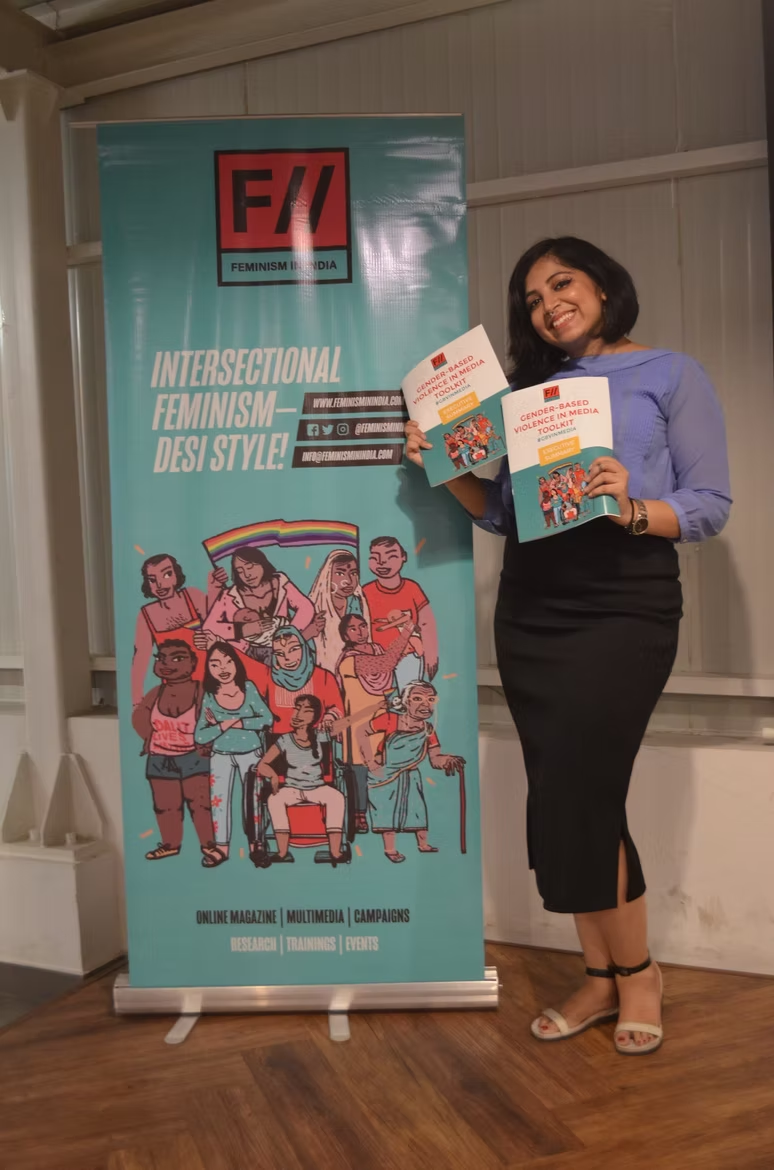
A hard look at how mainstream media reports gender-based violence The #GBVinMedia project was a year-long campaign that I directed at Feminism in India, looking at the way that the media reports gender-based violence. The project comprised broadly of four major activities — a) the research and creation of the #GBVinMedia toolkit, b) facilitation of events, workshops and seminars to disseminate the toolkit, c) a digital advocacy campaign and d) the crowdsourced art project. I was enabled to undertake this project by receiving two Small Grants by Women Deliver, during my time as a Women Deliver Young Leader. What is the #GBVinMedia Toolkit?The #GBVinMedia toolkit was designed with the objective of providing media platforms and professionals a handy guide when it comes to reporting gender-based violence sensitively and ethically. The language employed by the media in reporting gender-based violence is crucial in furthering a society that is more informed and sensitive to survivors. Unfortunately, many media practices tend to perpetuate patriarchal mindsets and rape culture — contributing to society’s skewed power balance and re-traumatising survivors of gender-based violence. This 30-page toolkit provided an overview of the nature of rape reportage in English language media in India and where it goes wrong, and listed a number of ways in which problematic media practices can be replaced with sensitive and affirming methods that uphold the rights and dignity of survivors. The toolkit is available for free download at bit.ly/GBVinMedia. |
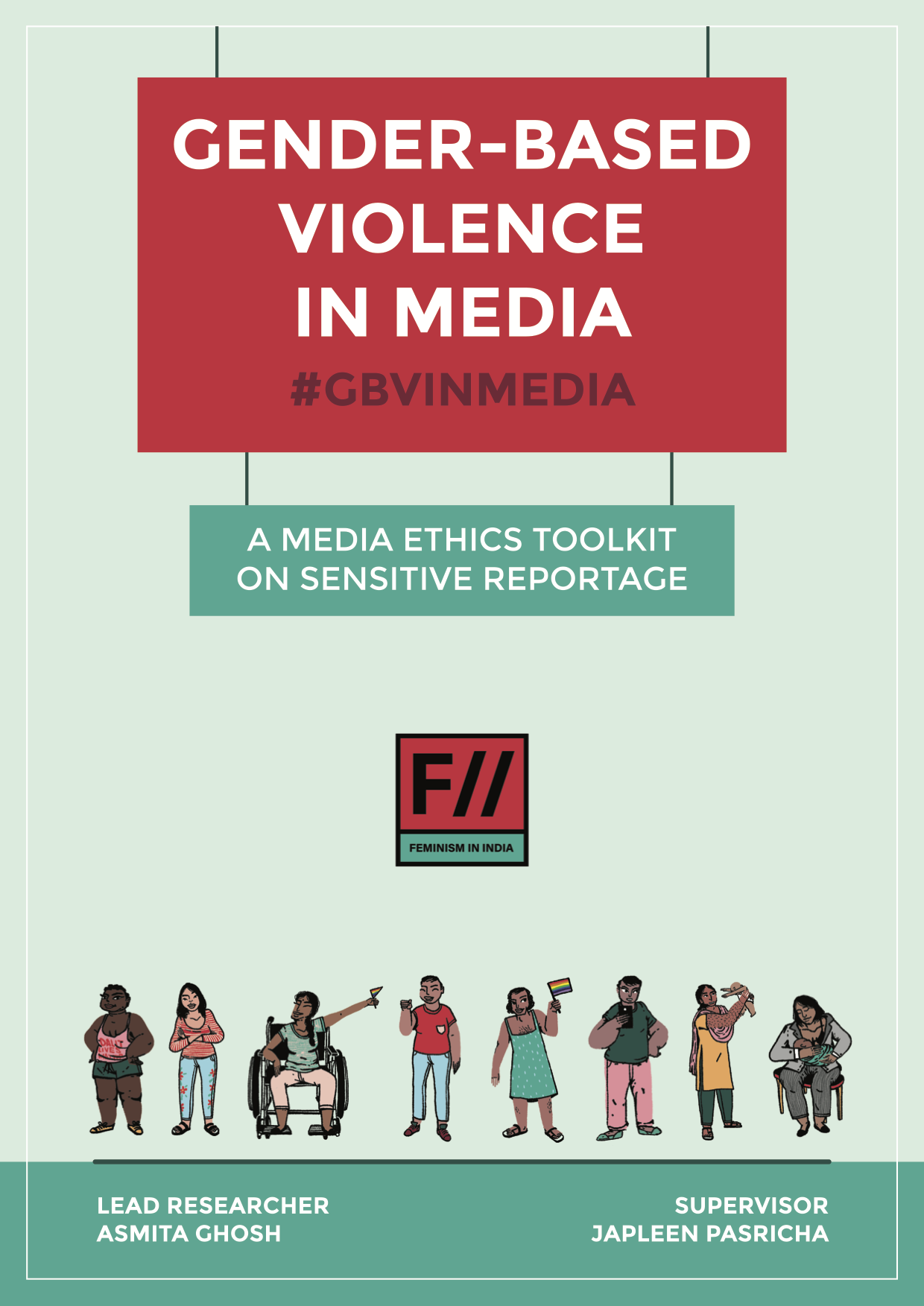 Click to download the full toolkit (PDF) |
Events
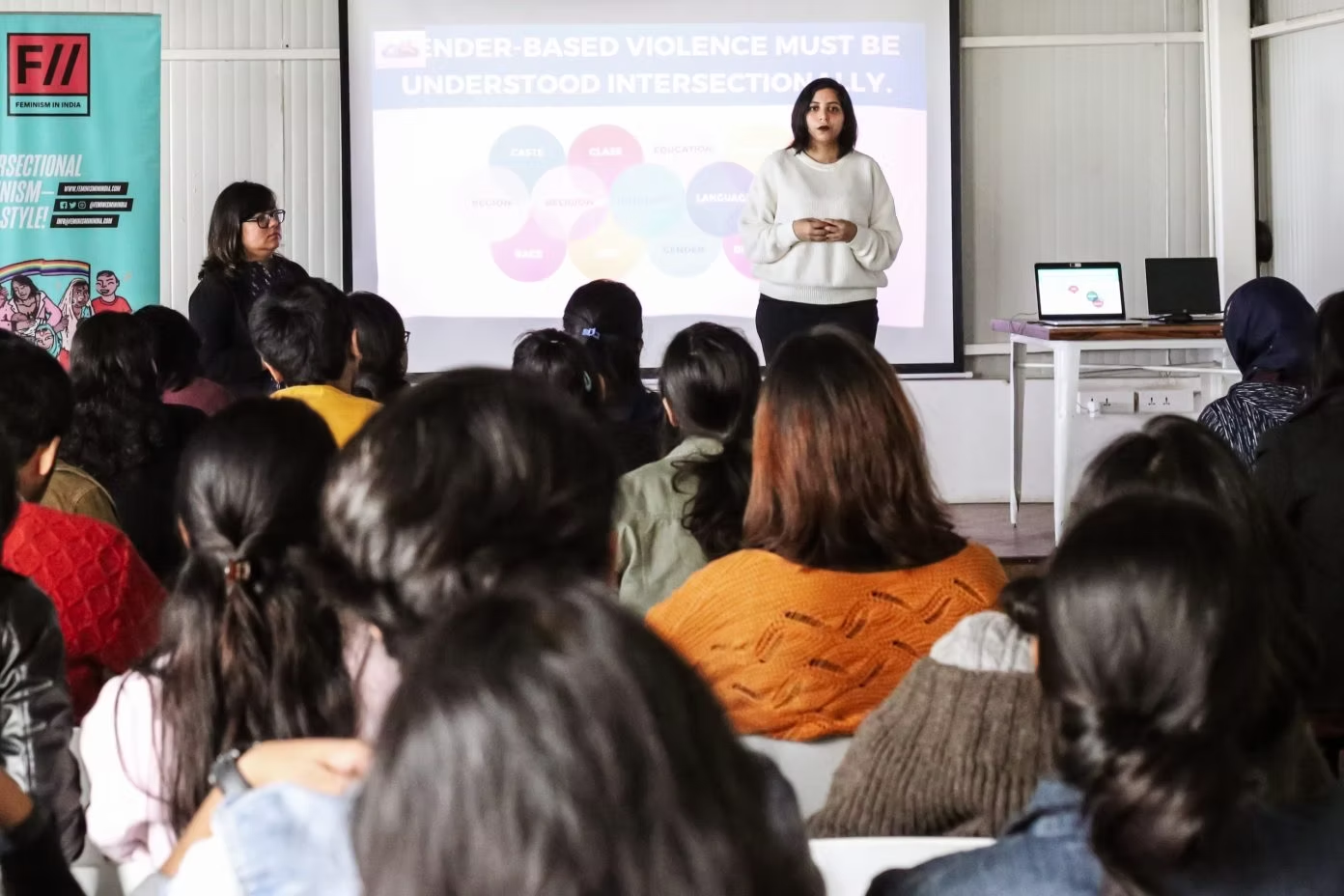
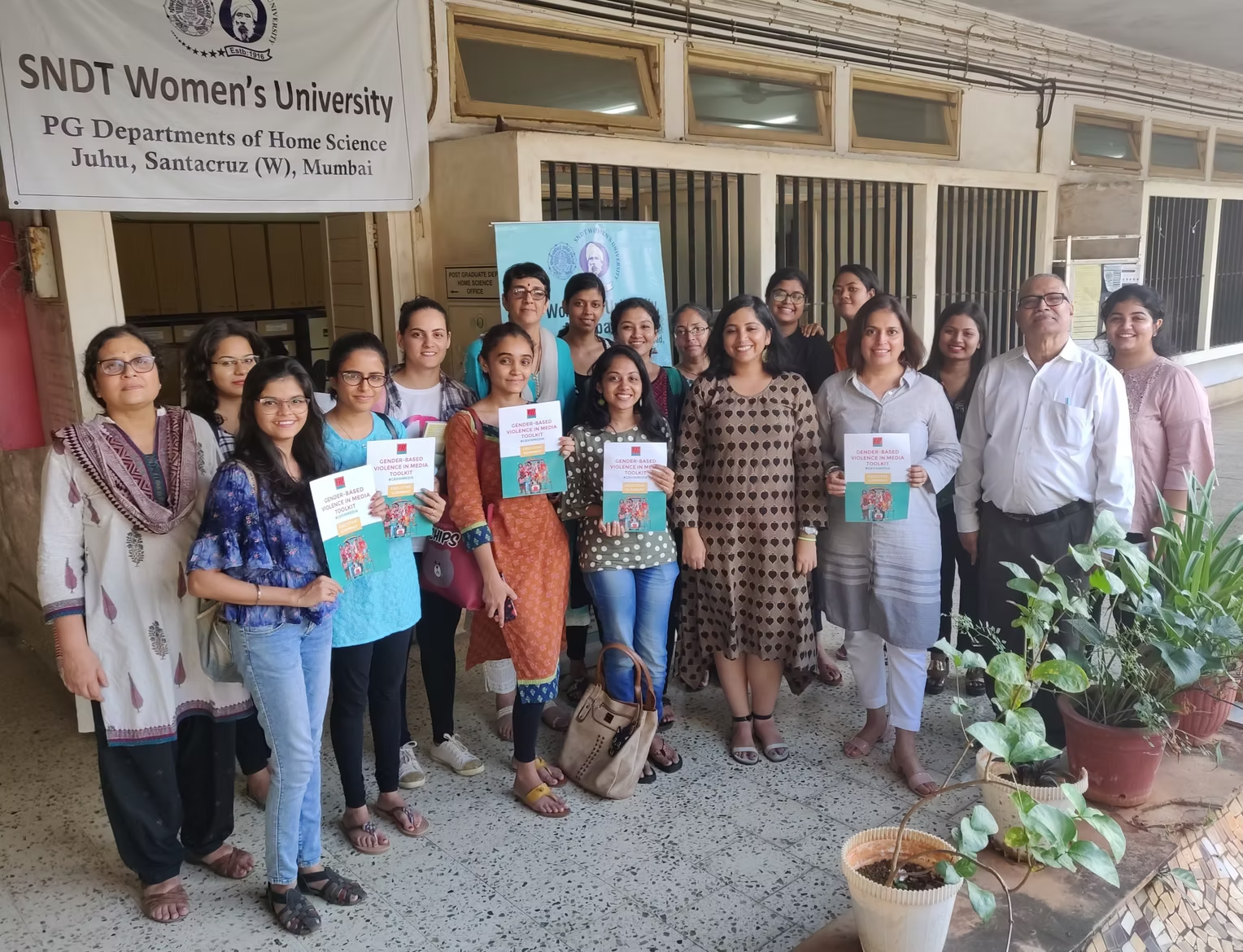
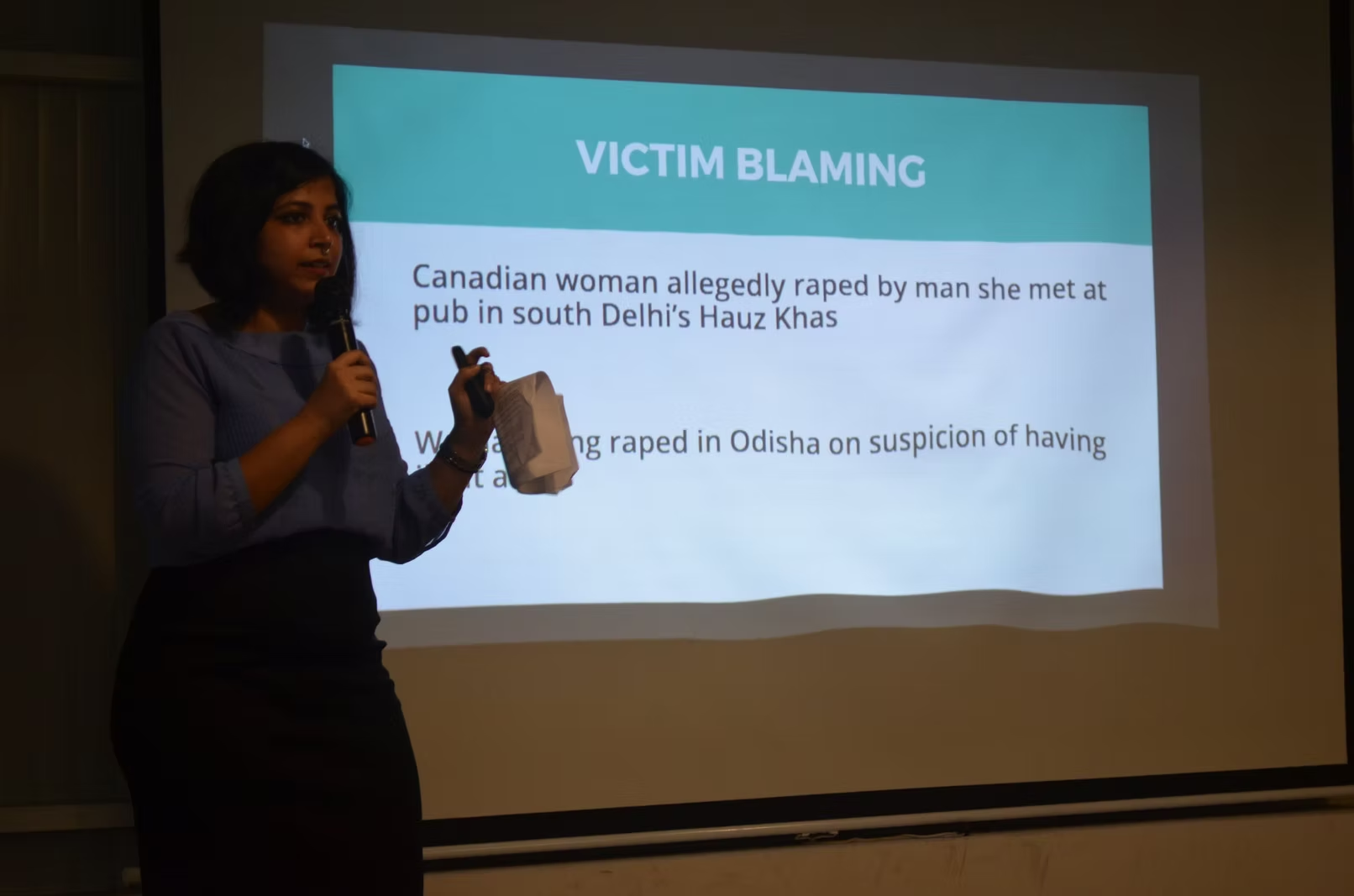
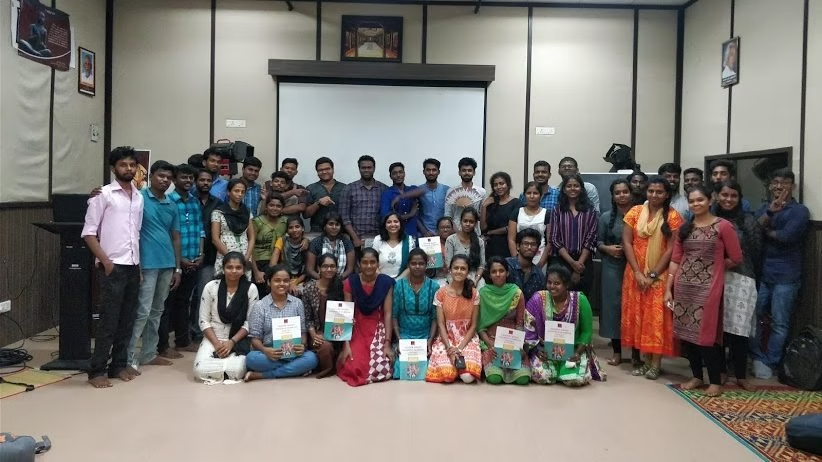
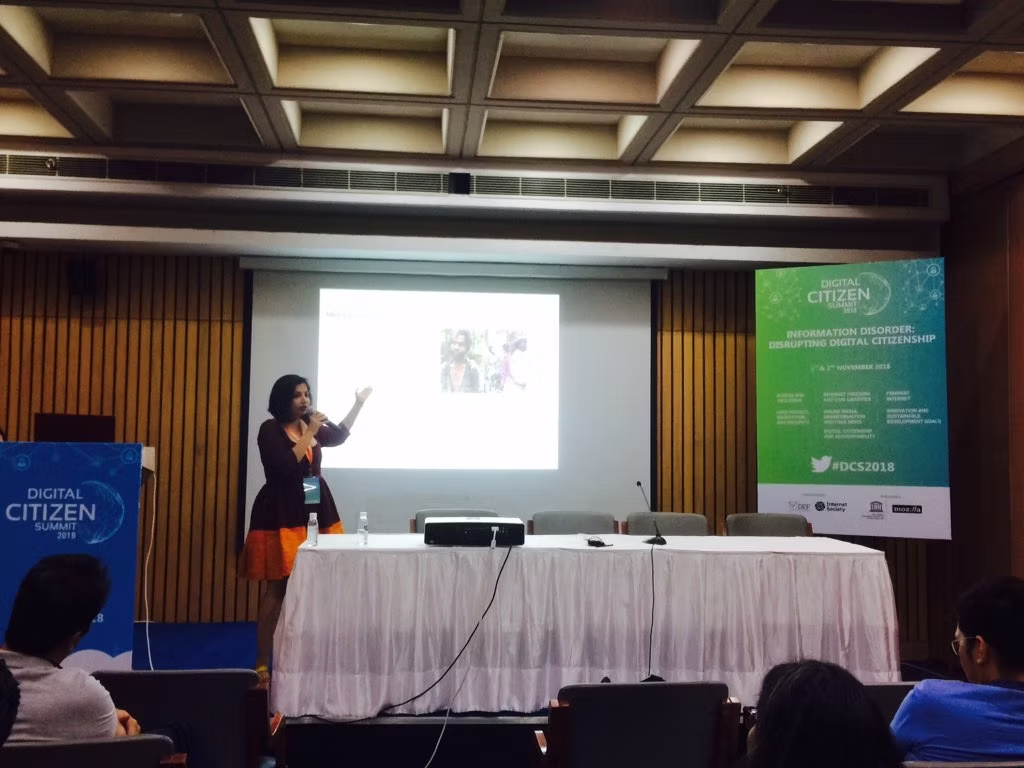
The #GBVinMedia Toolkit was launched in Delhi on July 4th 2019, and presented at the Mumbai & Kolkata Press Clubs (in collaboration with Commonwealth Human Rights Initiative and Sruti Disability Rights Centre respectively). It was presented at five university seminars across Delhi, Mumbai and Chennai, including at the prestigious Indian Institute of Mass Communication, Delhi, at The Media Rumble 2019 by Newslaundry in New Delhi, at a panel at Lady Shri Ram College for Women, and at an open workshop on gender-sensitive journalism co-organised by Feminism in India and Breakthrough India.
In total, nine events reached a combined audience of at least 500 people — mostly students, with others from teaching, journalism and civil society backgrounds. Five stakeholder meetings explored collaborations, resulting in a republishing partnership with the Media Action Against Rape project (Bournemouth University UK), the co-organised Breakthrough India workshop, and commitments from four faculty members to use the toolkit in their course curricula.
Digital Advocacy Campaign
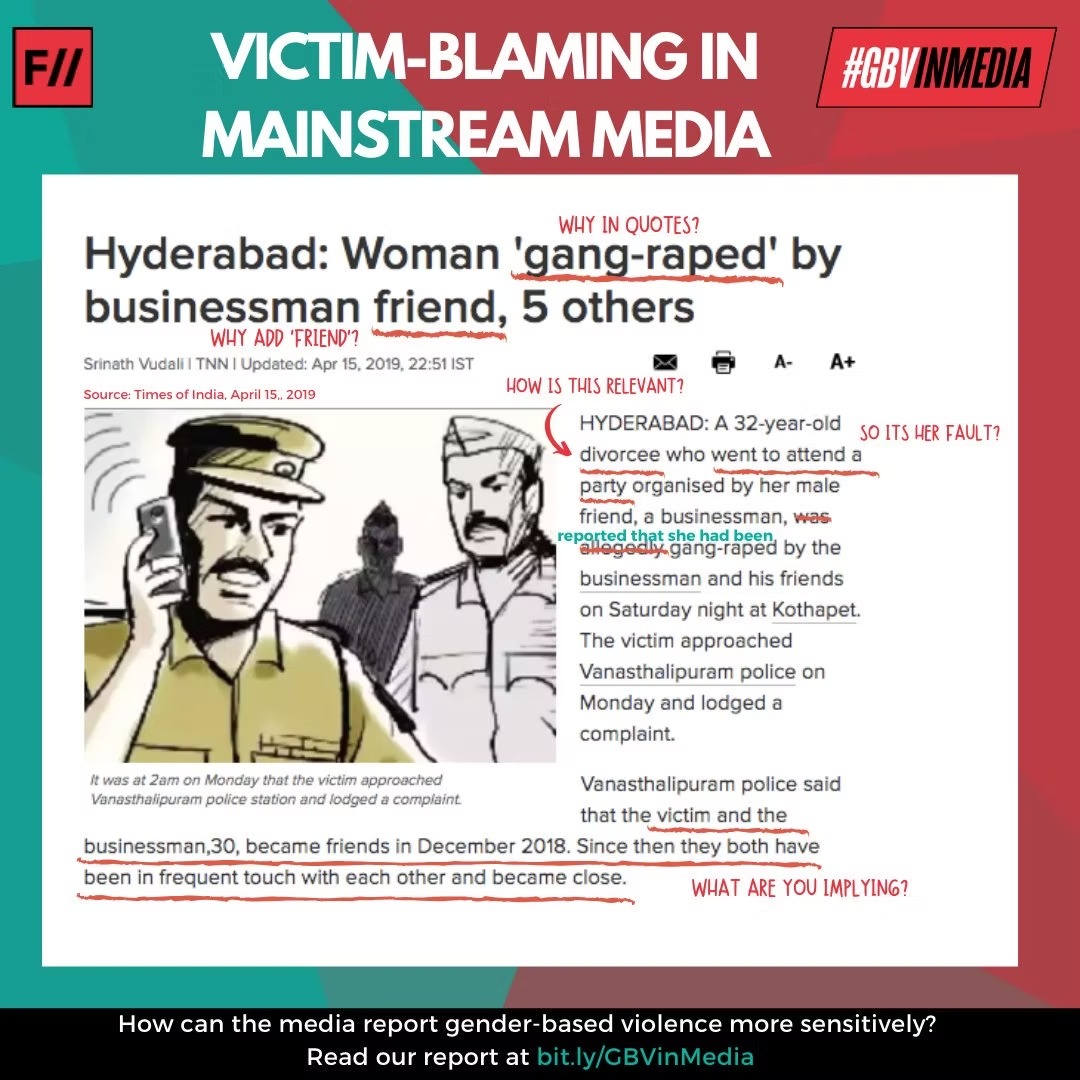
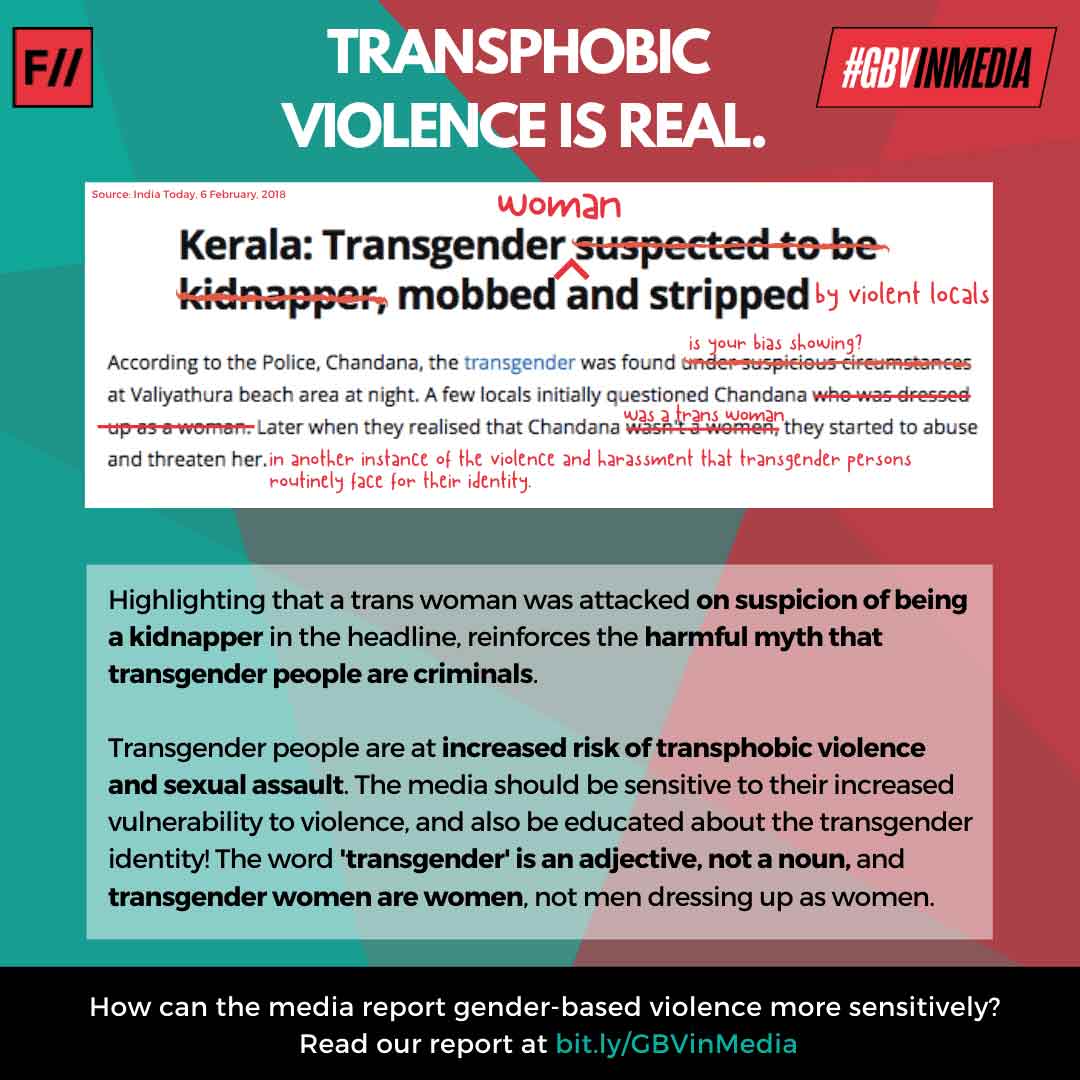
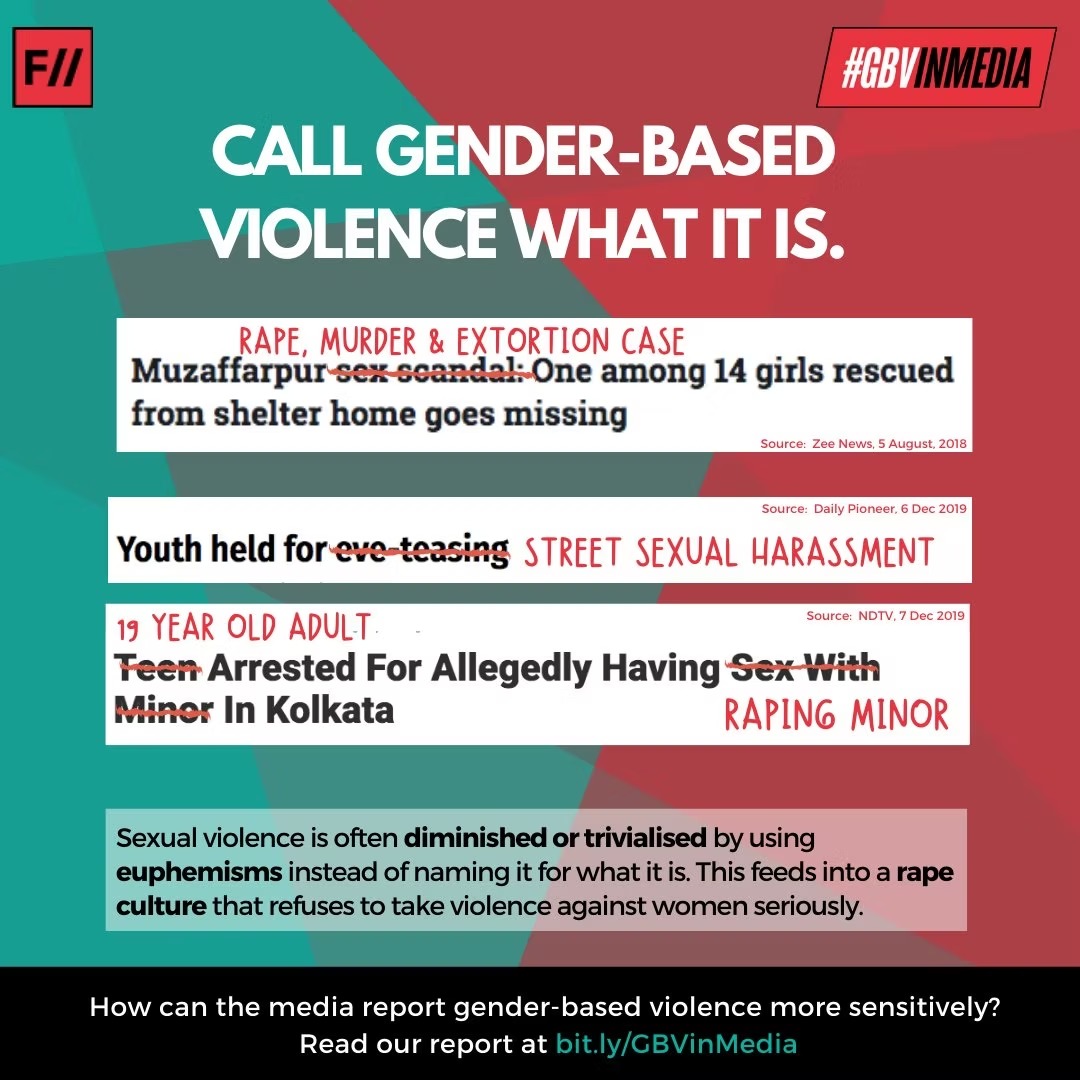
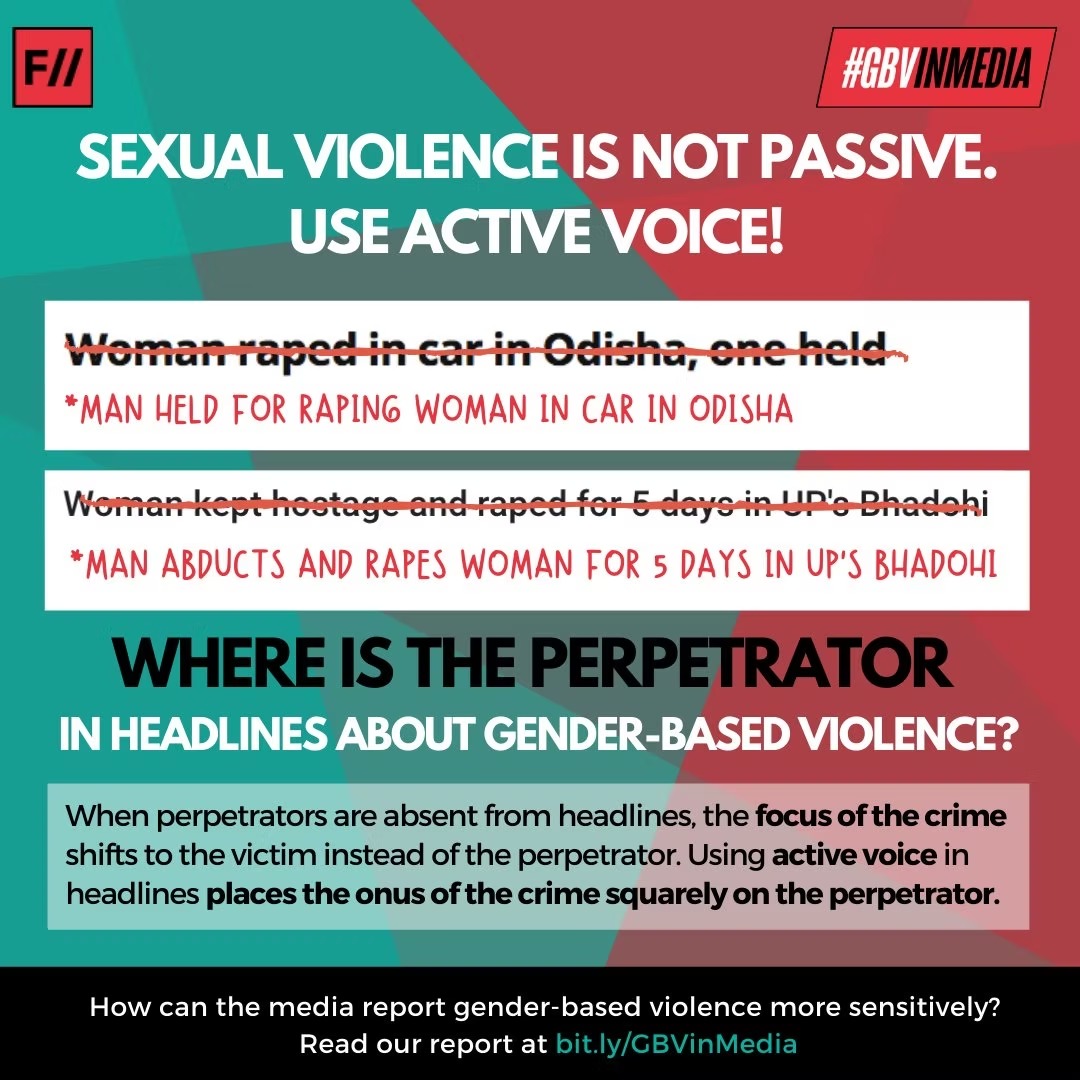
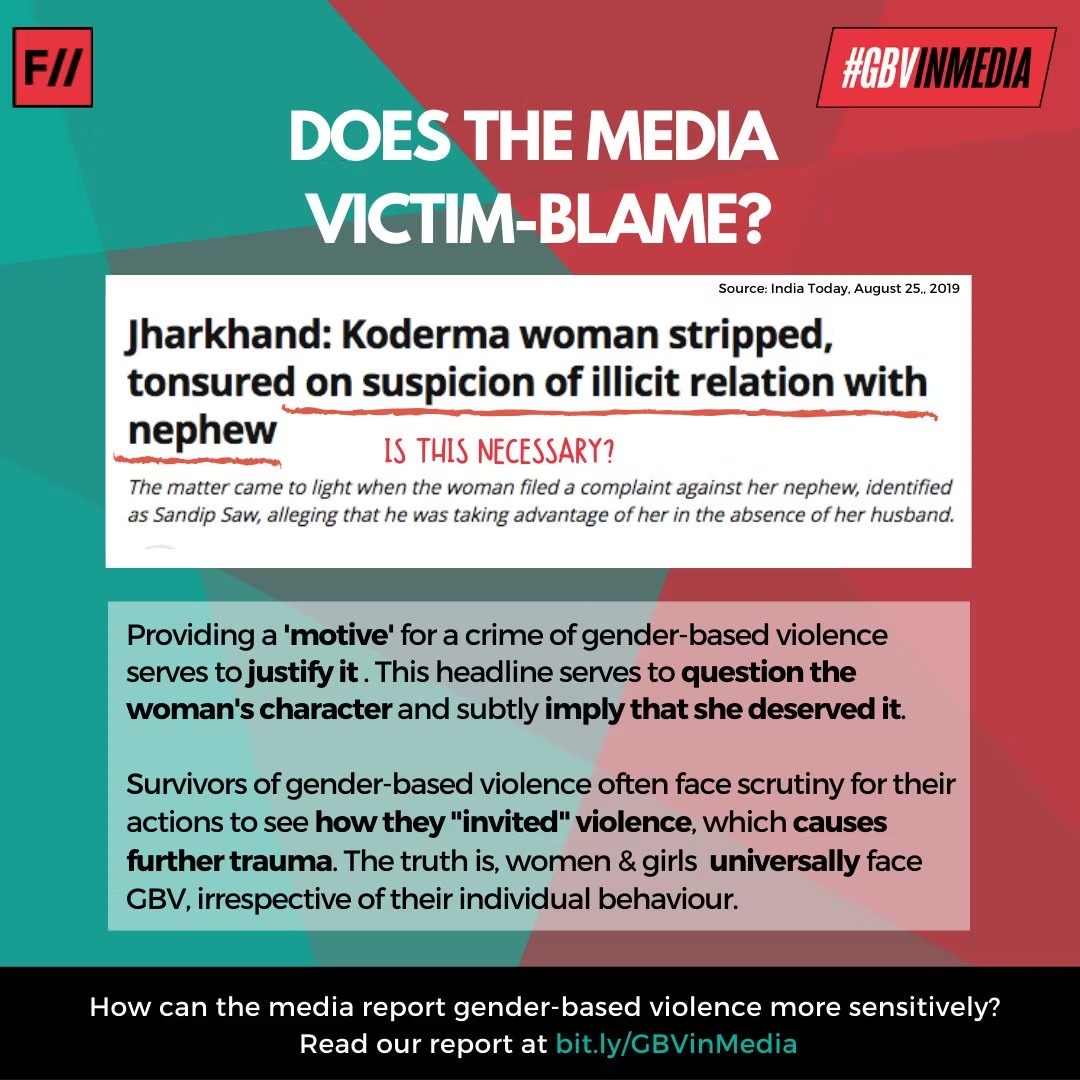
Alongside offline events, I ran a digital advocacy campaign from mid-October to early February, converting the toolkit into twenty bite-sized infographics and twenty articles on how the media reports gender-based violence. The campaign was extremely successful — one poster got 300+ shares on Facebook and another received 6,000+ likes on Instagram, while the most successful article was read nearly 17,000 times. Total campaign reach exceeded 700,000.
The campaign generated significant traction, with many comments about how it was thought-provoking and had changed the way people read the news. A recurring theme was appreciation that the campaign highlighted not just problems, but practical solutions.
Crowdsourced Art Project
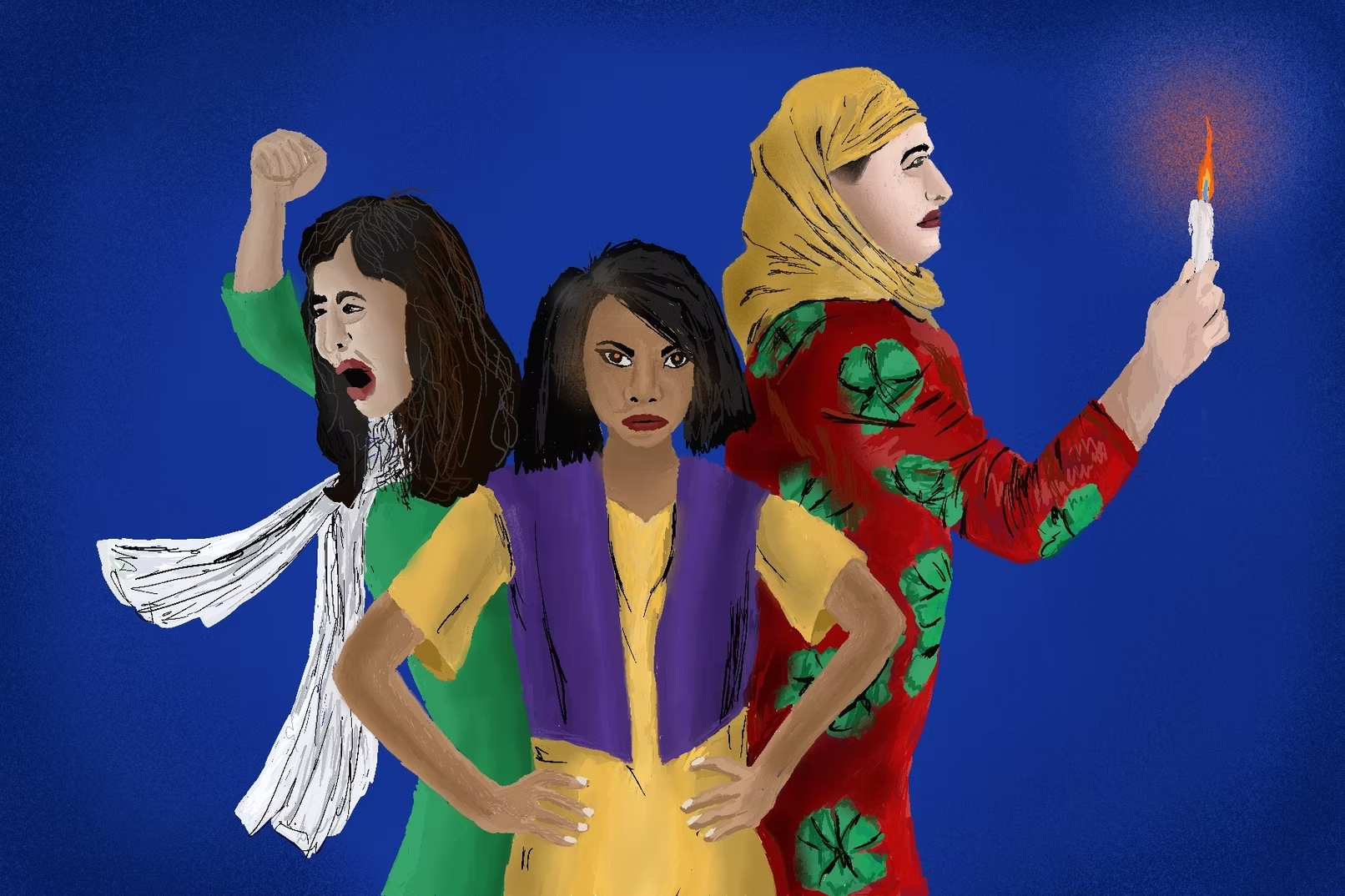
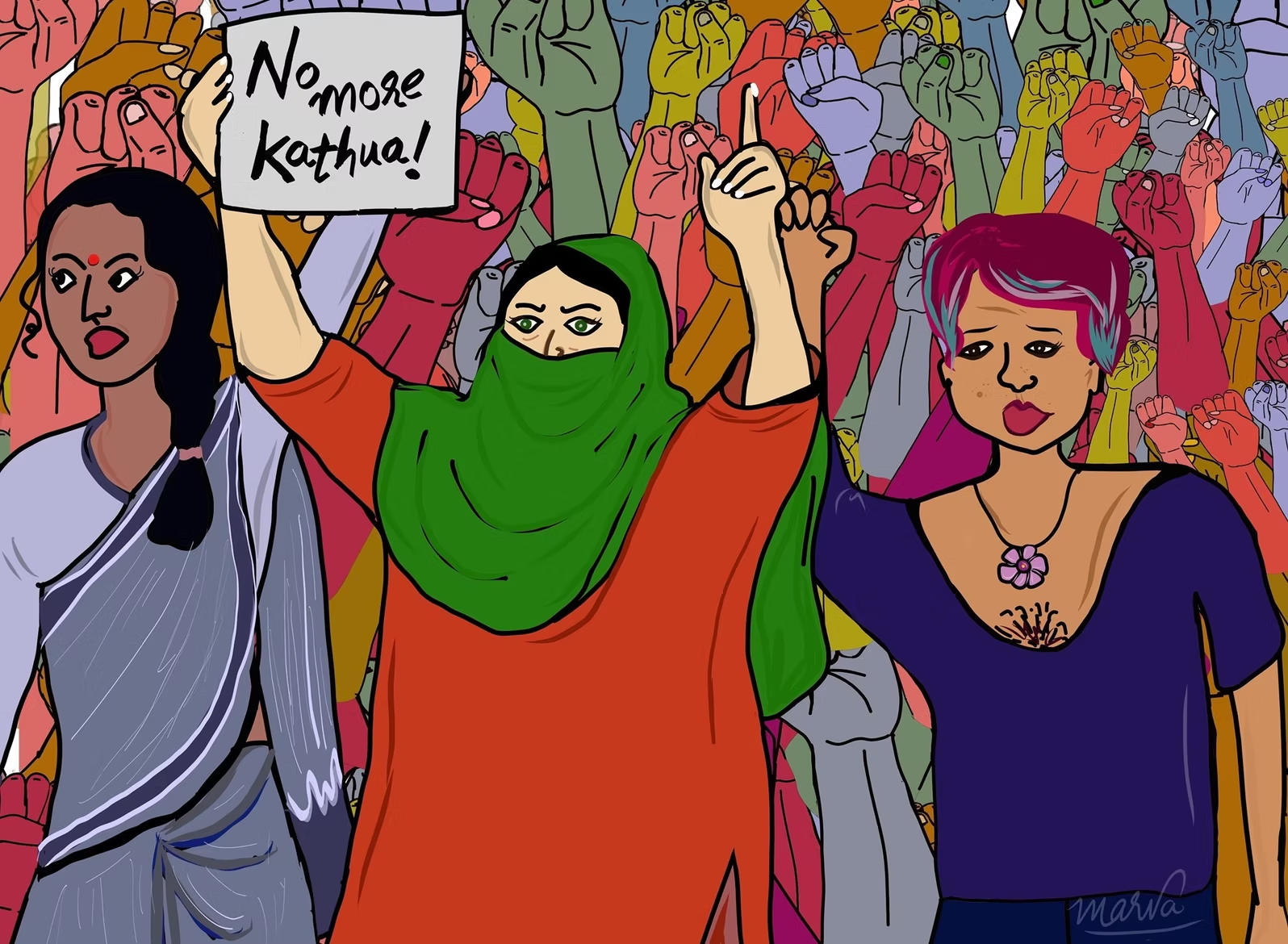
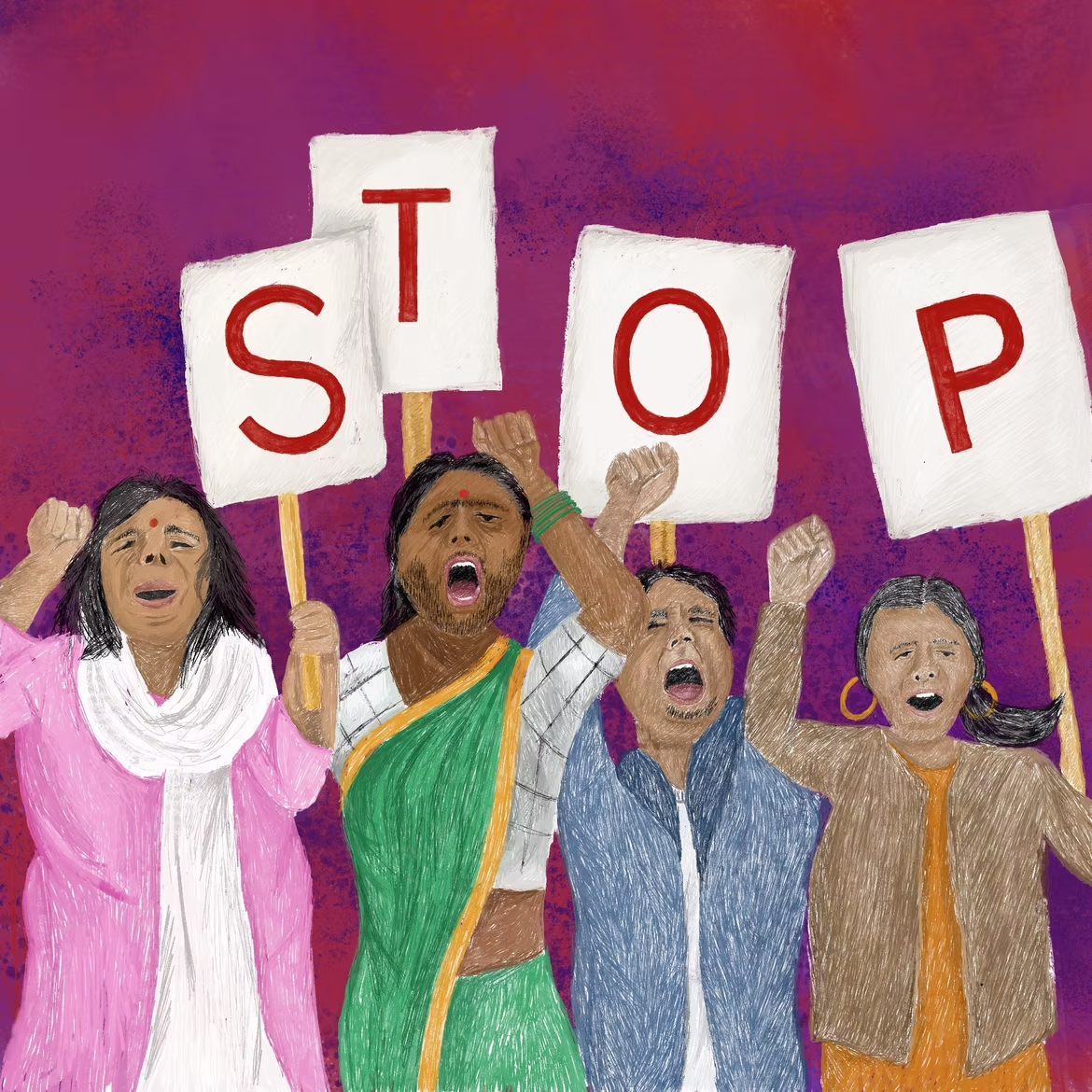
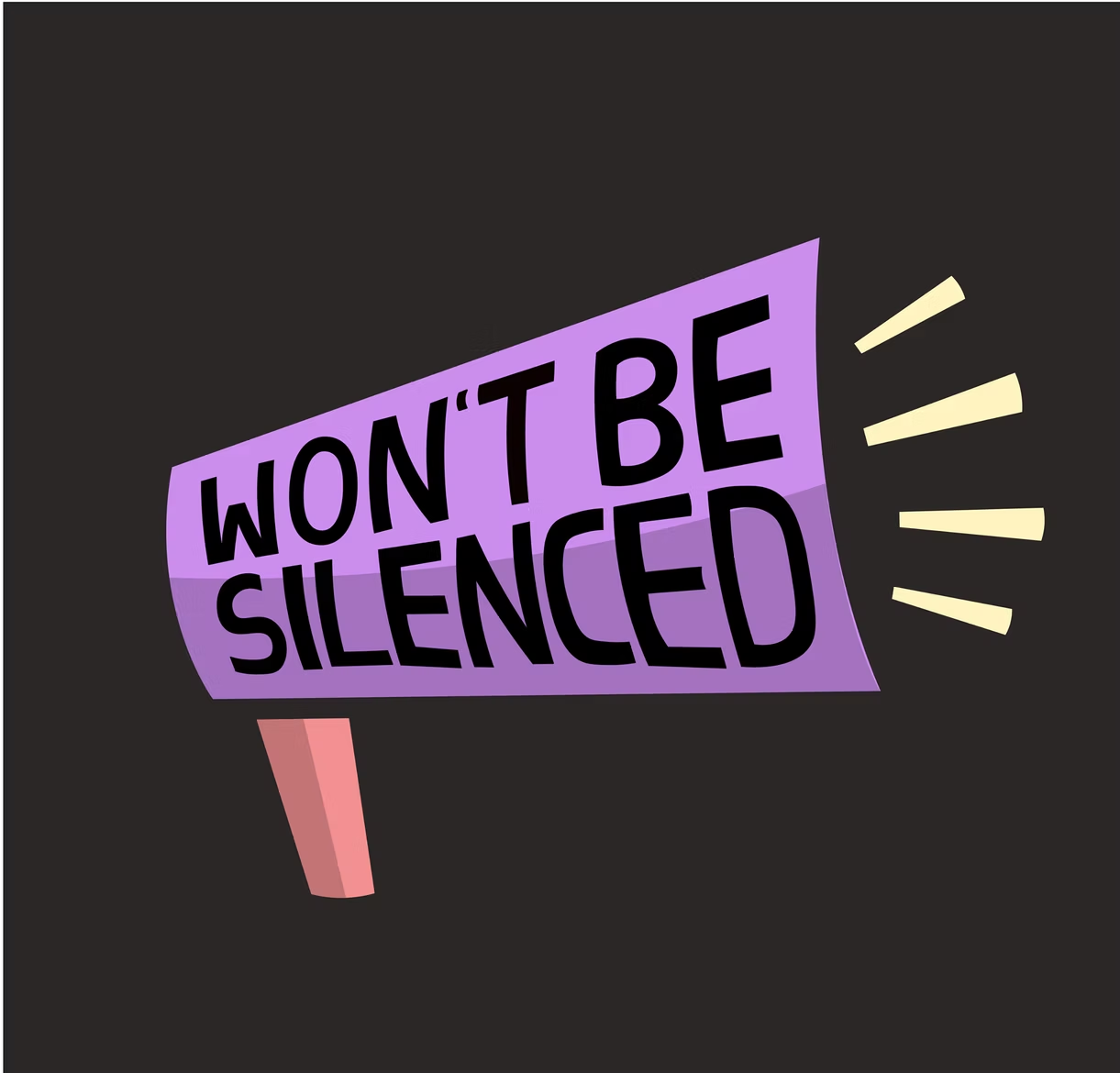
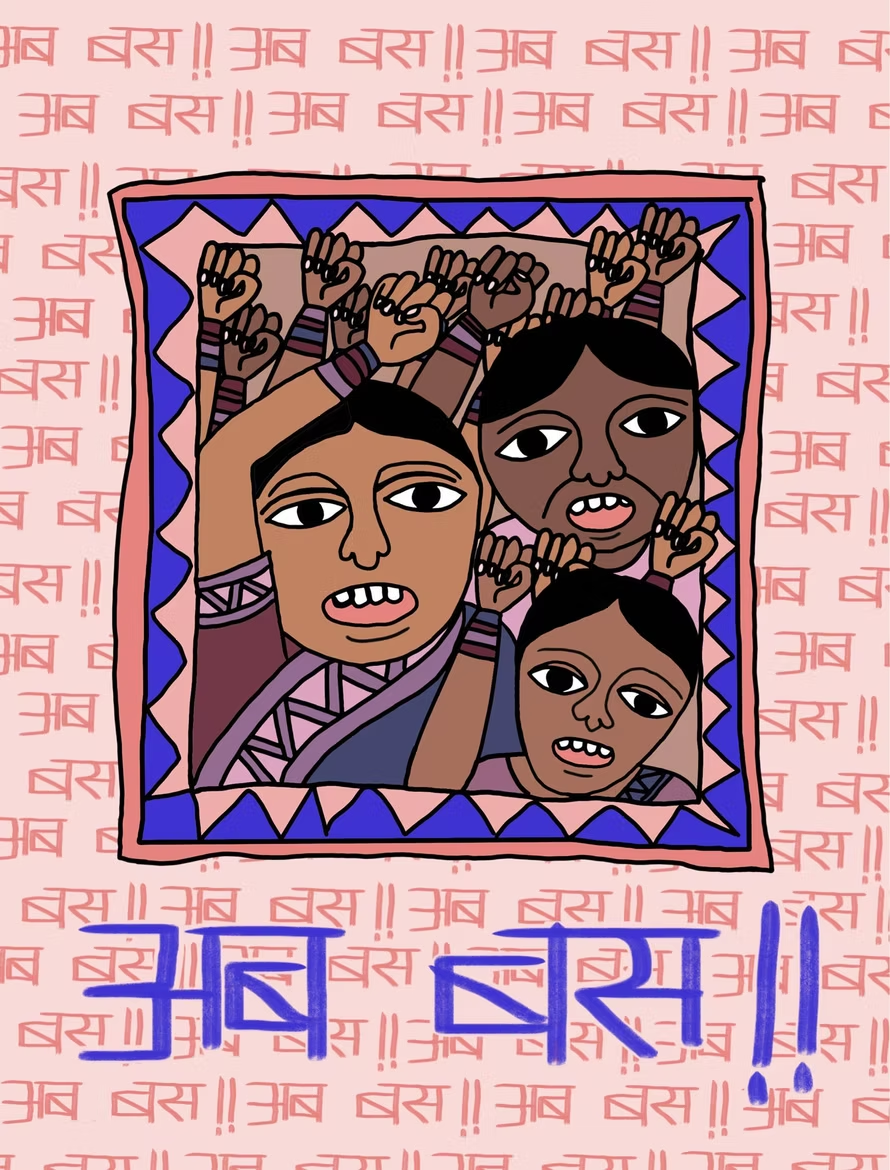
One of the key recommendations of the toolkit is that the media replace the images it uses with articles on GBV with more affirming and uplifting alternatives. To facilitate this, we put out a call for a crowdsourced art campaign, asking artists to submit alternative images for free use. We received 52 submissions from 26 artists and selected 10 top images, uploaded under Creative Commons License. The art project received wide attention — six media houses have since used the images, and people regularly link news organisations to our image bank. The reach of the image bank alone exceeded 60,000 across our handles, and the download page has been viewed nearly 4,000 times.